I hit 47 steps on a Tuesday last October. Not 47,000 – 47. I’d worked from my couch, ordered lunch, and only moved to refill my coffee. When my phone showed me that number at 10pm, I laughed, then felt kind of gross about it.
That was my wake-up call to stop treating movement like something I’d “get to” and start treating it like a number I had to hit. Not a workout. Not a program. Just steps – something so stupidly simple that I couldn’t justify skipping it. And honestly? It changed my baseline fitness more than any 30-day challenge I’d white-knuckled my way through.
There’s something about a step goal that removes all the friction. No equipment, no schedule, no right or wrong way to do it. You just move more than you did yesterday, and that compounds into something real over weeks and months. In 2026, with everything pulling at your attention, that simplicity isn’t a consolation prize, it’s actually the whole point.
Why does a daily step goal fit a busy schedule? You can start small and build momentum fast. You set a target, then fit it around meetings, commutes, and chores. It’s simple: 8,000 steps feels motivating. Breaks become boosts, not breaks from progress. Here’s the structure:
For those just beginning their training, combining daily steps with bodyweight exercises for beginners can speed your results without requiring gym equipment. You’ll notice energy, mood, and focus rise. Real wins stack: 30 minutes equals 3,000 steps, 5 days a week. Track daily, celebrate, tweak, repeat. Stay curious, stay playful, and keep pacing yourself like a steady drumbeat!
So, how do step counts map to fitness? You convert daily miles into heart work, endurance, and practical energy for real life everyday. That just means effort adds up. For instance, 10,000 steps can equal roughly four miles and about 400 kilocalories burned, depending on pace and terrain. Small bouts matter, too, a lot. Turn steps into daily wins with clear targets. Walk 7,500 steps by noon on busy days. Add a 15-minute stroll after meals. Aim for 3-5 minute bursts to boost mood. Your body responds fast. Consistency beats intensity, so weekend boosts matter as much as weekday walks. You can track with a phone app. If you miss a day, don’t quit-adjust the target and try tomorrow with renewed energy. For apartment dwellers or those with limited outdoor space, core conditioning exercises like planks offer complementary strength benefits that enhance overall fitness alongside your daily step goals.
A sustainable target for 2026 is a simple, clear plan you can actually hit. Set a daily goal that fits your life, not a fantasy. Start with a realistic baseline from last month, then add small steps that feel doable on busy days. Choose a distance or step count you can reach most days, like 6,000 steps. Add 500 steps when you can, and 1,000 on lighter days. Review weekly results and adjust by 5-10% if needed. Keep a calendar note and celebrate micro-wins, because progress compounds like compound interest. If a day slips, don’t quit-reset at tomorrow’s sunrise and try again. Your pace matters most, not perfection. Track weekly totals and aim for steady growth across 4 weeks each month. For those with limited space, a foldable treadmill design* allows you to maintain consistent indoor training without sacrificing your home’s usable area.
How do you turn movement into a daily habit instead of a duty? You start by pairing it with something you already do daily. Make it easy, tiny, and consistent. Treat steps like a friendly quest, not a chore. You’ll feel momentum when you celebrate small wins. Tracking progress weekly-even jotting down three wins like miles walked or mood scores-reinforces consistency and keeps motivation high on overwhelming days.
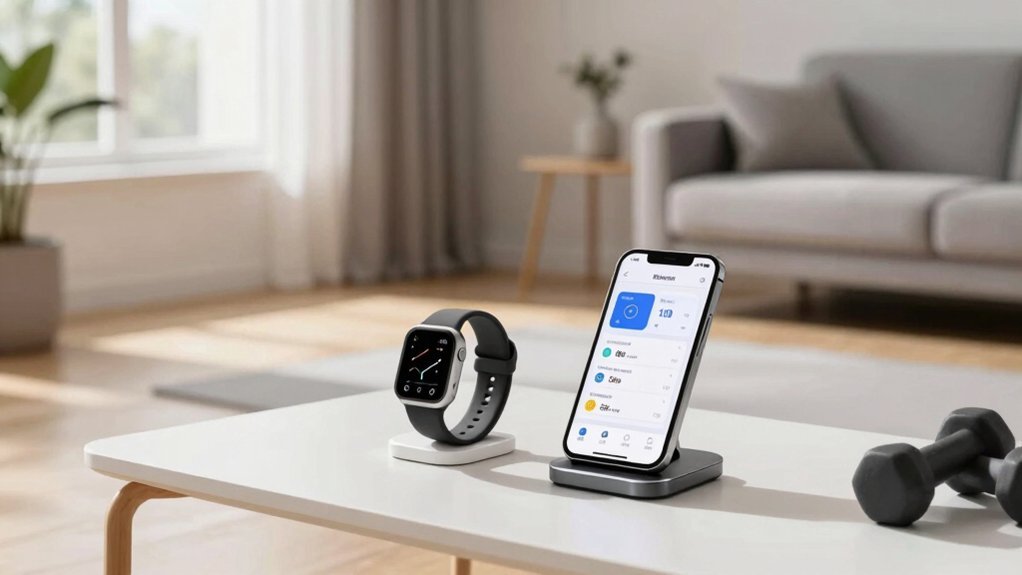
Ready to tailor your goals with wearables and apps?
Let devices guide you, not guilt.
Wearables track steps, heart rate, and sleep, giving instant feedback you can act on today.
Apps translate raw data into simple goals, like add 1,000 steps after lunch or aim for a 10-minute walk before dinner.
Start small, then grow steadily.
Set a target that fits your routine.
Sync every morning for fresh plans.
View trends weekly to stay motivated.
Add bodyweight exercises like squats and planks to your step goals to build strength on non-cardio days.
Bonus tips keep it practical and fun.
Try variety – different days need different goals, and wearables support real, doable shifts.
You’ll stay creative, not rigid, with these tools.
Try it today.
You’ve set daily steps – now celebrate the wins. You’re building momentum, not chasing perfection. Small milestones matter. They keep you moving. When you hit 5,000 steps, you’ve earned a tiny victory. When you push to 7,500, that’s real progress. Each checkpoint is fuel for your next move. Track daily totals, then smile at the trend. Keeping it simple works best – your brain loves quick wins.
Celebrate with tiny rituals daily. Write down your wins, then share them to build steady progress daily and celebrate small milestones publicly. Keep it fun and motivating. Track totals, compare today with yesterday.
Seeing a daily rise, even 200 extra steps, fuels bigger goals and keeps you coming back tomorrow ready to move. Share your streaks with friends. Pairing your daily step goal with consistent movement and proper recovery habits creates sustainable progress that builds over time.
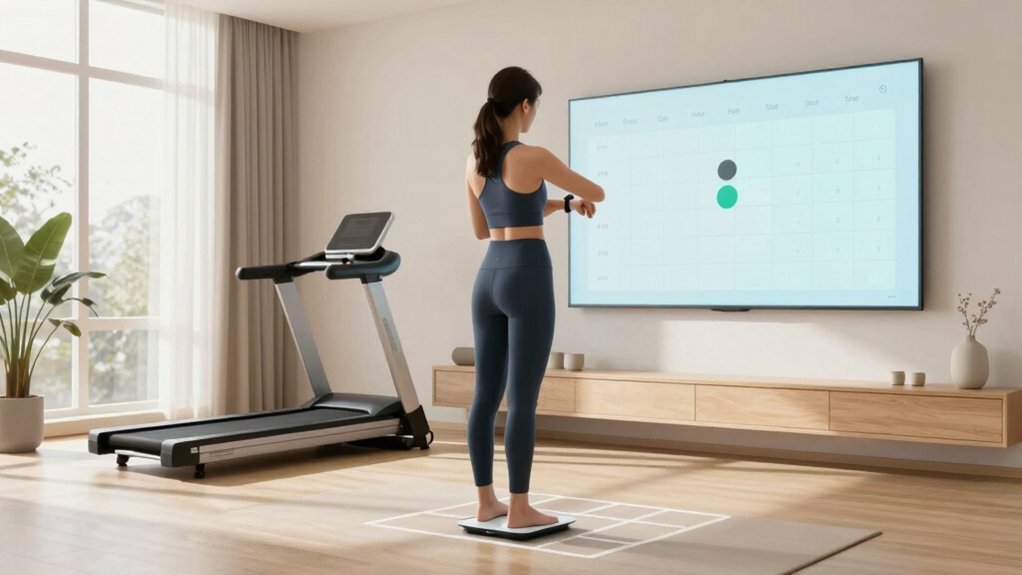
Feeling faster on your feet lately? Nice! Your progress deserves smart tweaks. As you notice steady gains, your daily goal should rise in small steps, not giant leaps, to prevent burnout. Start by adding 500 steps per week. If you hit three days at the new target, increase again by 500. Keep a cap, say 10,000, so it stays doable. Track color-coded days: green for meeting, yellow for close calls. Review monthly, not weekly, to chart honest progress. Examples help people push without freaking out: 6,000, 6,500, 7,000. You’ll feel energized and confident, like leveling up.
Keep stepping toward your best.
How can you add more steps today? Start with small changes you can stick to at work and home without overthinking. Wear a pedometer, set realistic targets daily. Aim for 8,000 steps today, then increase to 9,000 by Friday with simple additions and routines. Walk during calls, stand up at work. Stand by the copier longer, pace during breaks, or park farther to double your steps. Turn meetings into walking huddles. Use hourly reminders and celebrate wins with a quick victory dance in your office or home. Snack on steps, not chips. Keep a simple chart with daily totals and share progress with a friend, coworker, or coach.
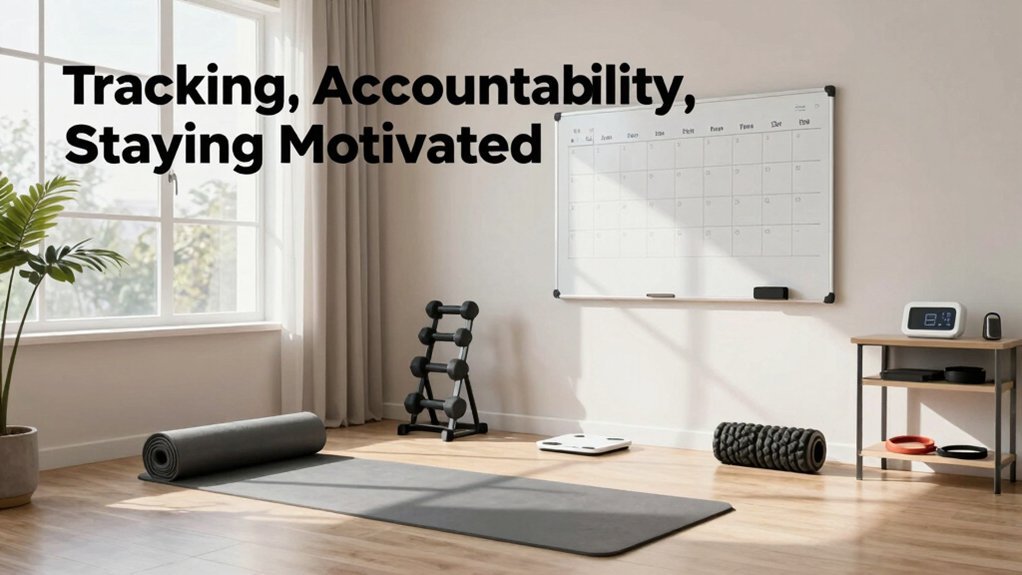
Can you stay on track all year?
Tracking keeps you honest and motivated.
Use a simple step log or app, record daily totals, and review weekly to notice patterns and celebrate small wins.
Accountability helps you show up.
Partner with a friend, coach, or family member, sharing goals and sending quick check-ins every Tuesday.
Track progress with visuals.
Charts, badges, and streaks spark fun, giving you instant feedback when you fall behind or crush a milestone.
Set concrete weekly targets.
– Log every day, even naps.
Review and adjust each month.
If you miss two days in a row, reset with a 15-minute walk and an accountability call.
Consider using a non-slip exercise mat* for indoor walking or stepping exercises when weather prevents outdoor activity.
Steps alone don’t measure intensity like running pace; you need heart rate or pace data for effort. Use a combo: track steps for consistency and monitor heart rate to gauge how hard you’re actually working.
You can’t fully replace steps with strength training; they serve different goals. Combine both for cardio and muscular health, and you’ll still benefit from daily movement, even on days you lift.
Yes, steps help track activity, and they complement cycling rather than replace it. You’ll benefit from wearing a pedometer or smartwatch to estimate movement, while also focusing on bike-specific metrics for a complete fitness picture.
There isn’t a fixed minimum age for daily step goals; you can set age-appropriate targets with guidance. For kids, home and school programs help. Teens and adults tailor goals to ability, health, and medical advice.
No-steps alone don’t predict heart health; you need diet, sleep, stress management, and genetics to figure out risk. Regular activity helps, but combining movement with healthy eating and other lifestyle choices yields real benefits.
Start small and stay steady.
Set a 7,000-step floor this week, then push to 8,000 next by Friday, and watch daily energy rise like a movie montage.
Track progress weekly with a simple chart, celebrate small wins, and stay flexible-your body learns fast when effort feels doable, not punishment, like leveling up in a game or finishing a season.