What if the exercise your physical therapist warned you to “be careful with” turns out to be the exact thing your back needed?
My lower back had been a constant, grinding presence in my life – stiff every morning, seizing up after long drives, quietly ruining evenings on the couch. I’d tried the stretches, the foam rolling, the “just strengthen your core” advice that never stuck.
Then I started swinging a kettlebell 80 times a day, every day, for a month. No rest days. Same weight, same movement, almost meditative in its repetition. What happened to my back surprised me.
At 28, I threw my back out picking up a laundry basket. Not deadlifting heavy at a gym, not doing something impressive – a laundry basket. I spent three days on my bedroom floor with a heating pad, googling “why does my lower back hurt constantly” like it would give me a different answer each time.
A physio eventually told me my posterior chain was asleep – glutes, hamstrings, all of it just checked out. She mentioned kettlebell swings as something to look into. I ignored that advice for two more years before I finally bought a 16kg bell and started doing 80 swings every morning next to my kitchen table. Thirty days later, the dull ache I’d accepted as just part of being alive had quietly disappeared.
The first week was awkward and humbling. My form was wrong, my grip gave out faster than I expected, and I didn’t know how to breathe through the movement without feeling lightheaded. But I figured it out, and here’s exactly what those 30 days looked like – the early stumbles included.
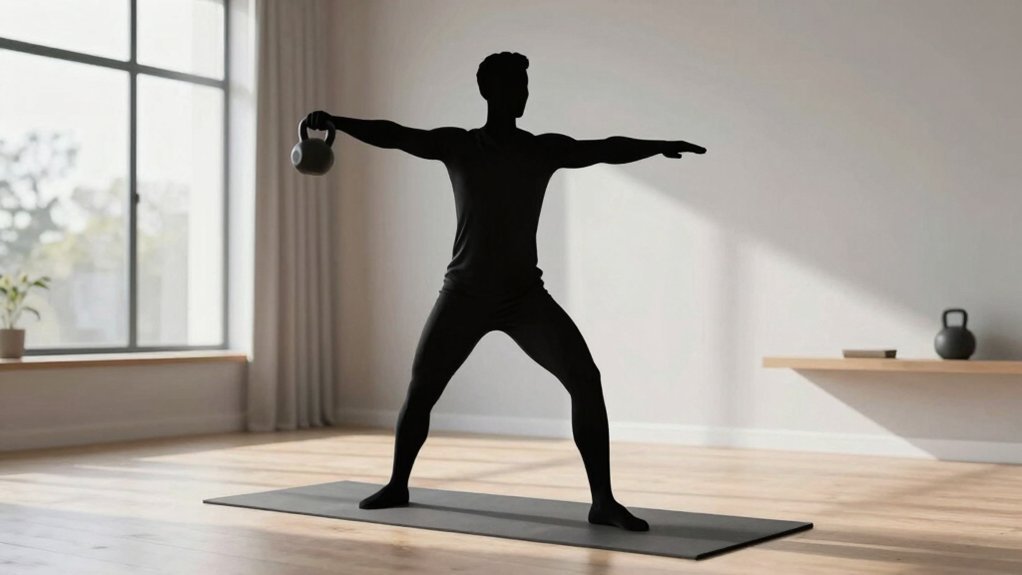
You grab a kettlebell, light and comfortable. You check posture, breath, and stance first. Baseline means where you stand now, not where you will finish. Map it in simple steps.
This day measures your ceiling, not your limits. You time an easy 2-minute warmup: hips, hamstrings, spine. Before beginning high-rep kettlebell work, add core conditioning exercises like planks to stabilize your midsection and prevent injury. Record reps, feel back pressure, note fatigue. Starting with form matters – your future gains thank you!
Stay curious about your form, log numbers, and celebrate small wins as your back loosens and confidence grows daily.
How solid is your swing cadence today?
Cadence means tempo – how often you swing per minute – and steady cadence helps protect your back and build power.
Start with 40 swings, then pace up.
Keep rhythm smooth, not rushed; aim for a two-second swing, two-second reset, then adjust to 28 – 32 swings per minute.
– Use a timer and track reps.
If fatigue hits, drop to 20 swings, hold it there two sets, and rebuild confidence with perfect form.
Notes matter: posture, rib breath, pace.
Try a friendly cadence chart: 0 – 4 minutes, 40 reps; 4 – 6 minutes, 60 reps; stay steady.
Proper alignment throughout your movements, like in foundational exercises such as planks, keeps your core engaged and your back protected during kettlebell swings.
Celebrate small wins and keep the rhythm going.
If you miss a rep, pause, reset your stance, and return with even steadier cadence.
Steady beats win today.

Keep your cadence steady, and your breath will follow. You’ll learn to brace like a strong wall, not a tense onion. Breathe in through your nose, fill your belly, then exhale through your mouth as you swing. This helps protect your spine and lock in power.
Try these basics:
Practice 3 sets of 10 reps today, with 2 minutes rest. If you feel pain, pause and reset. Keep it smooth, and stay curious! Treat each rep like a tiny test you pass. Stick with it, and back thanks you. This bracing technique builds functional strength that translates to everyday movements like lifting, carrying groceries, and proper posture during daily activities.
Ever wonder why grip size matters?
Your hand size changes how you feel.
A too-small grip trains your fingers hard, while a too-big grip wastes power and can flare low-back tension during swings.
Choose a kettlebell that sits in your palm.
Typically, men swing 16 kg to 24 kg, women 8 kg to 16 kg, but start light with a set of 5 reps.
Nice grip feels automatic, not forced.
If it hurts your forearm or thumb, switch.
Maintaining core stability and endurance through proper form will also help reduce strain during your kettlebell practice.
Quick grip checklist.
Keep a simple log: mood, grip size, rep count, and how it felt after 5, 10, and 20 swings.
You’ll have smoother swings fast!
Why does the core matter in every swing? Your core locks the torso. It keeps your spine safe, transfers power, and stabilizes every rep. You’ll feel steadier, less wobbly, more in control, like steering a bike on a windy day. Engage it before the bell moves.
During a swing, brace your abs, glutes, and obliques. Think cartoon superhero posture: ribcage aligned, hips tucked, tailbone neutral. Quick cues:
Practice sets: 10 swings, 3 rounds, 60 seconds rest. Track core fatigue and adjust! Consistency beats intensity when habits stick and progress follows. Strong core stability also supports spinal alignment during daily movements, reinforcing the benefits of your kettlebell routine beyond the workout itself.
Today we lock in the hip hinge for clean, safe swings.
Your hips tilt, not your back, power from glutes, hamstrings, and a quiet spine.
Feel the hinge start at the hips.
Imagine a hinge on a door: open smoothly, with ribs down, chest up, spine quiet.
– Check three cues:
1) Hips lead the movement; 2) chest stays tall; 3) eyes forward; keep abs braced and breath steady.
Practice slow reps first, then speed.
If the hinge wobbles, reset feet, tighten core, and hinge from the hips again.
Aim for 5 sets of 8 swings this week, gradually adding 5 extra reps per week if form stays solid.
Proper hip hinge mechanics reduce injury risk and support sustainable gains at home by protecting your spine during high-volume kettlebell work.
You’ll keep the hinge work going as you push into Day 7 and build endurance for 80 reps. Consistency beats intensity when stamina matters. Today, you train longer sets with clean form, taking short rests only as needed to stay sharp and safe. Track reps closely and stay patient. Example: three 20-rep rounds, two minutes apart, plus a 10-rep finisher if energy holds. Keep your hips, spine, and breath synced, rhythmically precise today. Hydration and warmups matter, so drink water, jog in place, and swing with control before pushing the clock. Use a timer to pace yourself. If fatigue hits, drop to 40 reps, breathe deep, reset hips, and rebuild momentum without rushing. Celebrate small wins and log progress each day. DOMS is normal for beginners and typically fades after 2-3 weeks as your body adapts to the demands of kettlebell training.
Fatigue can creep in, so you need a smart plan.
Think of fatigue as noise calling you to reset, hydrate, fuel, and cut risky moves.
Plan smart: sleep seven to eight hours.
During swings, track reps, mood, and ache days, adjusting rest days and light work when you notice form fading.
Hydration helps joints and mind.
Sip 250 ml every hour you train; add electrolytes if you sweat heavily to stay sharp.
Nutrition fuels recovery fast today.
Eat balanced meals with 1 palm protein, 2 fists of vegetables, and whole grains to replenish energy stores.
Keep swing form honest at all times.
If fatigue spikes, swap a swing day for core work and mobility, then return gradually.
Add resistance bands* to your recovery days to maintain joint mobility and reduce injury risk without the intensity of kettlebell work.
Do this: rest, listen to body carefully.
As fatigue sits in, your form can cave faster than a plot twist in a bad movie.
Keep your spine tall and proud.
Common drift shows as a tucked chin, rounded back, or hips that don’t hinge properly.
Spot it early with a mirror.
Pause between swings, reset your setup, and recheck spine alignment with a quick three-second scan.
Hips drive, not arms, for power.
A common cue is to pretend you’re stacking blocks; your pelvis stays quiet while your hinge sends the bell back and forth.
Check bell height around chest level.
Track your reps with a tempo: 1-2-3, then breathe and reset, feeling your back stay solid.
Keep sessions under twenty.
If something feels off, stop and reassess stance for safety now.
Pairing kettlebell work with strength training vests* can amplify the resistance benefits and accelerate your fitness progress.
Want to protect your shoulders on swings?
You keep your spine tall, core tight, and wrists soft, so the load doesn’t crash into your joints.
Check grip pressure first, not death grip.
Focus on shoulders, not pecs, during the swing, and imagine screws threading gently, keeping everything aligned through the hip hinge.
If you feel pinching or grinding, pause, reset stance, and recheck elbow height and ribcage position.
Breathing matters-steady inhale, steady exhale!
Practice 3 sets of 15 swings, then rest 60 seconds; track any shoulder ache with a quick red-flag log.
For those seeking a lower-impact recovery option, consider a walking pad with incline* to maintain cardiovascular fitness while protecting your shoulders during rest days.
Shoulders stay happy if you stay consistent.
Progress slowly; your joints deserve patience.
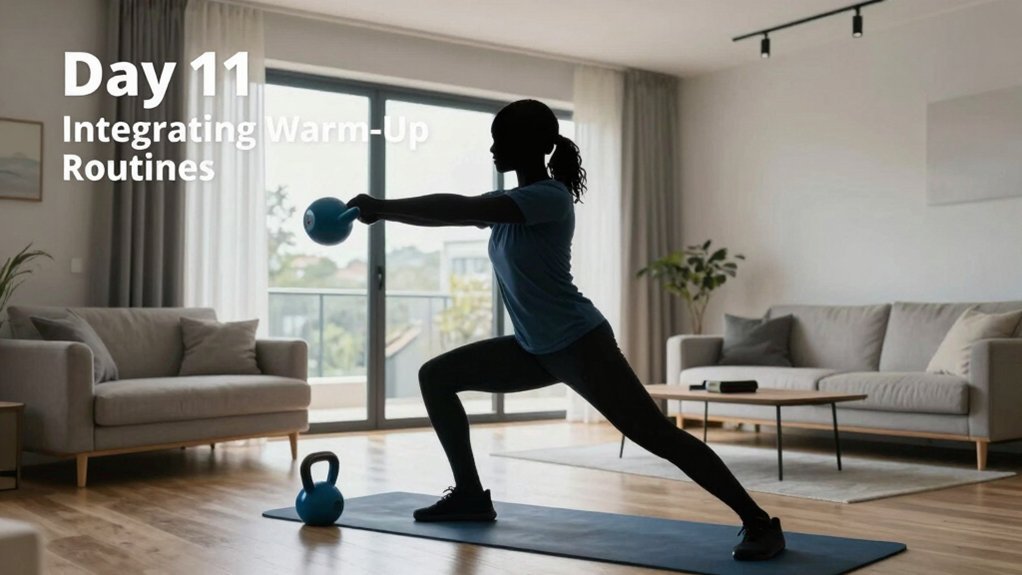
How should you approach warm-ups today? Start easy, then build energy. You’re ready for swings when you wake your joints. Do 5 minutes, then add 3 quick moves. Simple flow: neck circles, shoulder rolls, hip hinges, ankle circles, light goblet squats. Then 2 sets of 10-second holds for posture. Your body will thank you! Then move into 8-10 minutes of mobility, breathing, and activation. Keep a pace like a warm-up playlist-fun but effective. For example: 30 seconds each: inchworms, leg swings, cat-cow, dead-bug. Build toward 5 minutes of dynamic warm-up with 2 rounds. Track how you feel. Hydrate. If you’re sore, shorten the warm-up, adjust reps, and stay consistent! Your confidence grows as you finish stronger than you started.
Turn effort into data you can trust.
Track reps, sets, and pain levels daily, so you see patterns clearly and stay motivated.
Keep a simple log, nothing fancy.
Note reps per swing, total volume, and any tweaks that helped or hurt your back.
Celebrate small wins with quick, concrete changes.
If you hit a plateau, cut reps by 10, swap grip, or adjust swing tempo for 3 days.
Use a quick checklist, every day.
CheckList items: form, breathing, foot alignment, spine neutrality, and any pain signals that pop up during swings.
Add bullet-friendly notes below, for easy scanning, so you can jump back to the key data quickly.
Checklists keep you honest and growing!

Tight hips loosen up a back-friendly swing. You feel stuck, then you move, and suddenly your hips answer. You’ll cue movement with tiny steps and keep your spine safe. Think of your hips like a door hinge: smooth, controlled, not forced. First, breathe deeply for 3 counts. Then, tilt your pelvis slightly forward to wake the hip flexors. Do 6 reps, then rest 15 seconds. The goal is looseness without pain, like loosening a knot in a shoelace.
Try these cues:
Practice 3 rounds now, then test small swing today.
Why fix what isn’t broken? You’re about to fine tune grip width. Small adjustments change comfort, power, and back strain during swings, so listen to your body and test 5mm changes. Start with light reps first. Try these practical checks next. Grip too wide bites into wrists; too close squeezes forearms and hides hip hinge stability during the swing rhythm. Aim for shoulder width. Measure by feel: let the kettlebell hang from your arm, elbow soft, and the handle aligned with your forearm. Document tiny tweaks daily. If pain pops up, switch back and recheck grip. You’ll log progress like a fitness detective, with clearer form clues! Keep testing today! Return tomorrow with a note about grip-waterfall changes and how comfort improved your swing cadence.
How’s your back feeling halfway through the plan?
You’re checking in, and that’s smart.
Pain says slow down; performance says push through with care.
Midway time gives you real data.
Here’s how you measure it, clearly:
If pain stays under 4, keep the pace. If it spikes, pause and adjust grip or form. Remember, consistency builds results! Let progress guide you, not fear. You’ll notice swing feel and back comfort tracking together. Boost numbers slowly: add five swings per week, stay 60 seconds between sets.
How do you breathe when you push hard? You breathe through your nose, then softly out through your mouth, to keep a steady pace and protect your spine. Start with 2 breaths before each set. Inhale through the nose, fill the belly, then exhale on effort to help brace your core and hips. Keep breaths smooth; panic fizzles quickly. Use a simple count, like 2 in, 3 out, for 3 reps each set to pace effort. Try 5 rounds, then rest. Practice this before every swing day by setting a timer and watching your breath, not the stopwatch, for control. Your back stays calm; your hips stay loose. Consistency beats intensity, so breathe steady every session and you’ll notice effort feels lighter over time.
Master your swing with tempo.
Tempo guides control like a metronome on steroids.
By slowing the descent and timing the up-swing, you feel each hinge move with intent.
Set a tempo that matches your breath.
Try 1-2-3-2 rhythm: one pause, two lift, three down, two reset, repeat for 60 seconds.
It locks hips and spine in rhythm.
Keep reps tight, belt snug, eyes on a fixed point, breathe out on the pull for control.
Measure progress with tempo reps counts.
Use a timer app to track cycles; aim for 8 sets of 10 swings at tempo, next week add one set.
Celebrate small wins, tweak only slightly.
Keep tempo honest; consistency wins, not perfect swings, over time you’ll surprise yourself with momentum.
Plateaus show up when progress stalls, not you.
You can push through with simple tricks.
First, track your numbers: reps, sets, and how you feel after every swing session each week.
Second, adjust load gradually.
If you stall at 40 swings, try 42, then 44, then plateaus pop like gym pop songs.
Keep a weekly plan, not a dream.
Results show when you stay consistent.
Slips happen, but you reset with a breath and new plan.
Celebrate small wins – one extra swing, one less ache, a solid week without flare-ups – these fuel momentum.
Stay curious, ask questions, and keep swinging with purpose.
You’ve got this.
Just a few tweaks fix most form mistakes.
You’ll keep your back safe by bracing core, staying tall, and hinging at the hips, not bending your spine.
You’ll feel smoother swings when you pace, breathe, and watch a buddy polish mistakes together, like a team in a movie montage!
If you catch yourself drifting, reset with two sets of five slow reps and a big exhale.
Keep momentum and smile through.
So you nailed the form yesterday, now comes volume management on light days. You keep swinging, but slower and smarter. Light days don’t mean rest, they mean strategic load. Track sets, reps, and pace. A simple plan you can try: – 8 sets of 8 swings at a comfortable effort, around 55 – 65% of your max, – 6 sets of 6 with the same tempo, – 4 sets of 8 with a tiny pause. Rest 60 – 90 seconds between sets. If you feel any ache or instability, drop reps by 2 or switch to breathing-only swings. Hydrate, eat a small snack after, and check your back in the mirror for alignment. Think steady progress, not perfect form, like a calm ninja maintaining balance! Keep going strong.
If you’ve been chasing numbers, Day 21 shifts the focus to symmetry and balanced strength.
Let’s tune both sides today.
You’ll test even effort by alternating reps between your left and right sides, making sure hips, shoulders, and spine stay lined up every swing.
No more favored side nonsense today!
Try these symmetry checks now.
Balance pays off in every swing, friend.
Daily, you’ll feel better after you stretch.
Warm up before cooling down.
After workouts, spend 5 minutes on mobility moves to loosen hips, hamstrings, and your lower back.
Hydration helps repair tiny tears fast.
Finish with stretches like hip flexor lunge, thigh opener, and cat-cow to reset posture today.
Grip a foam roller for 60 seconds.
Keep a simple checklist: drink water, breathe deeply, stretch gently, and log how you feel after each session.
If pain hits, pause and recheck form.
Daily routines vary, so adjust the 5-minute mobility to your soreness level and equipment, keeping movement smooth.
Consistency wins, not perfection.
Celebrate wins: you swung 80 times daily, and today you recover with steady progress.
Keep enjoying the process daily.

Day 23, sleep and recovery, is where all that work finally turns into real gains.
You don’t have to push through. Rest matters as much as reps and swings, maybe more on day 23.
Sleep helps muscles repair, hormones reset, and mood steady. A 7-9 hour goal makes back pain fade faster than cold coffee.
Tips to optimize recovery:
If you feel tight, try light mobility before bed. Progress hides in recovery, not punishment!
Consistency beats intensity. Sleep in rhythm, and your day 24 swing session will feel easy.
Nutrition tweaks can power your swing mojo, fast. Think timing, carbs, and hydration all aligned to fuel 80 swings through even the long set. Fuel windows matter, especially before sessions. Eat a balanced plate minutes after warming up, not hours after finishing, to refuel muscles and reduce soreness. Hydration powers quick reps and steady form.
Try these practical tweaks to hit PRs without wrecking your back. They are simple and science-backed for durable performance.
You’re checking back signals after a solid week.
You’re tracking how your spine feels, not chasing hype, and you’ll compare numbers to today.
Keep it simple, like coffee shop math.
Check indicators: pain scale, movement, and endurance with swings in the last 7 days, and note what changed.
Example: pain stays 2/10, no numbness.
If you spike to 5 or 6, adjust pace, rest days, or swap reps for safety.
Your goal is steady signals, not dramatic shifts, so trust gradual change over time this week.
Celebrate small wins.
If back health improves, plan the next week with similar checks, keeping notes in a log.
How does a tiny finisher fuel progress?
It’s a short burst that locks in gains.
You finish the workout with a brisk set that signals your body to recover faster and grow stronger.
Keep it simple, keep it sharp.
Try a 2-minute finisher after your swings, 3 rounds of 30 seconds hard work, 15 seconds rest.
Track effort with a quick note.
For example, push a kettlebell clean and press twice, then sprint 20 seconds on a bike.
You’ll feel caffeine-like energy after.
It’s the post-credit scene of your workout movie-tiny but satisfying, like credits rolling after a blockbuster.
Commit to 3 rounds today.
If unsure, aim for 60 seconds per round, with 15 seconds rest.
Stay steady and push.
How ready are you for the final push? You’ve been grinding every day with grit. Now you shift focus to quality reps, steady pacing, and smart recovery that protects your spine and keeps momentum. We’ll map the last week with clear goals, small wins, and precise cues that translate into lasting strength.
Stay curious, track results, celebrate tiny wins, and trust the 80-swing habit to carry you home. Keep the form, keep the smile, keep moving. If a rep feels off, dial back one swing, breathe, reset, and return with purpose and steadiness today. Your back will thank you for the care!
Ready to lock this routine in for good? You’ve powered through 28 days, and momentum is your friend. Now, solidifying means making it automatic, not optional. Keep swings at 80 reps, but tune rest and form. Here’s how:
Consistency beats intensity. If you miss a day, don’t quit, adjust and resume. Hydrate well, eat balanced meals, and sleep eight hours. You’ll finish strong and feel proudly balanced, fit, and pain-free! Stick to the plan for two more weeks and celebrate small wins along the way.
Progress feels like a quiet victory, not a roar.
Pain shifts slowly, not with fireworks, and you notice tiny changes in posture, sleep, and daily breath during swings.
You track feels, tweaks, and tiny wins.
My number, 80 swings a day, was not magic; it created consistency, reduced irritation, and rebuilt confident movement over weeks.
You’ll notice relief with steady practice.
If pain rises, you pause, reset, and return like a video game boss you replay until you win!
Keep a simple log of days.
Examples: aches dropped from 6/10 to 3/10, mornings felt looser, nights slept through more often, and mornings after swings felt hopeful.
Jot one lesson learned today, like: ‘Stay consistent, adapt form, celebrate small wins’! every week.
Day 30 is your checkpoint, and you should feel proud.
You learned what worked and what to tweak, with clear next steps for your back, core, and grip.
Keep the swing pace steady.
Log 20 reps daily this week, then 30 next week, noting symptoms clearly to adjust form.
Hydrate, sleep, and enjoy the progress!
Celebrate small wins and plan your next 30 days.
Your back pain legend is being rewritten, one swing at a time, with safer form, lighter loads if needed, and honest tracking.
Keep showing up; your body will thank you. They compound daily.
Probably not, especially if you’re a beginner with back pain. Start lighter, listen to pain signals, and consult a clinician. Gradually increase reps, use proper form, and add mobility work to protect your spine daily.
If pain spikes, cut reps in half and slow the tempo, then reassess after days. Swap swings for lighter movements, like halo or goblet squats, and add rest days or deload weeks as needed.
Yes, split 80 reps into several sessions daily. Spreading them helps you maintain perfect form, recover between sets, and stay consistent, reducing injury risk while you build endurance and strength without overwhelming your back.
Yes, swing form is largely similar for back and hip pain sufferers, but you’ll dial it in with cues: hinge at the hips, keep a neutral spine, engage the core, and progress slowly under supervision.
Stop and seek help if you experience severe or worsening pain, numbness or tingling, weakness, loss of movement, fever, chest pain, dizziness, or if pain lasts beyond a few days or after heavy lifting sessions.
You did it, and your back thanked you.
Eighties pop aside, eighty swings daily is a bold, big win for resilience.
You learned form, breath, and brace, not just momentum.
Keep 4 cues: hips, ribs, grip, and pace, then progress.
Track numbers: 80 per day, 28 days, pain down.
Celebrate progress with safe tweaks, rest, and smart progression!
If pain spikes, cut reps and rethink form immediately.
Consistency beats intensity; keep showing up smiling.
Doing a 30-day challenge? Print our free 30-day workout tracker and check off each day with milestone highlights at day 7, 14, 21, and 30.