The alarm reads 5:47 a. Quick Morning Cardio for Busy is what this comes down to.m. My running shoes are already by the door. Thirteen minutes - that’s exactly what I have before the first Slack notification hijacks my brain.
No gym bag. No commute. Just me, a small patch of living room floor, and a timer on my phone.
That’s the whole game now. Short, sharp cardio sessions squeezed into the cracks of a packed calendar - and honestly, they’ve done more for my energy and focus than any hour-long workout I ever forced myself to finish half-asleep.
I used to set my alarm 45 minutes early three times a week with the full intention of working out - and then snooze it every single time. Not once, not twice, we’re talking a solid four-month streak of pure delusion. The workouts I’d planned were just too long, too complicated, and honestly too easy to skip when my brain was still half asleep at 6am.
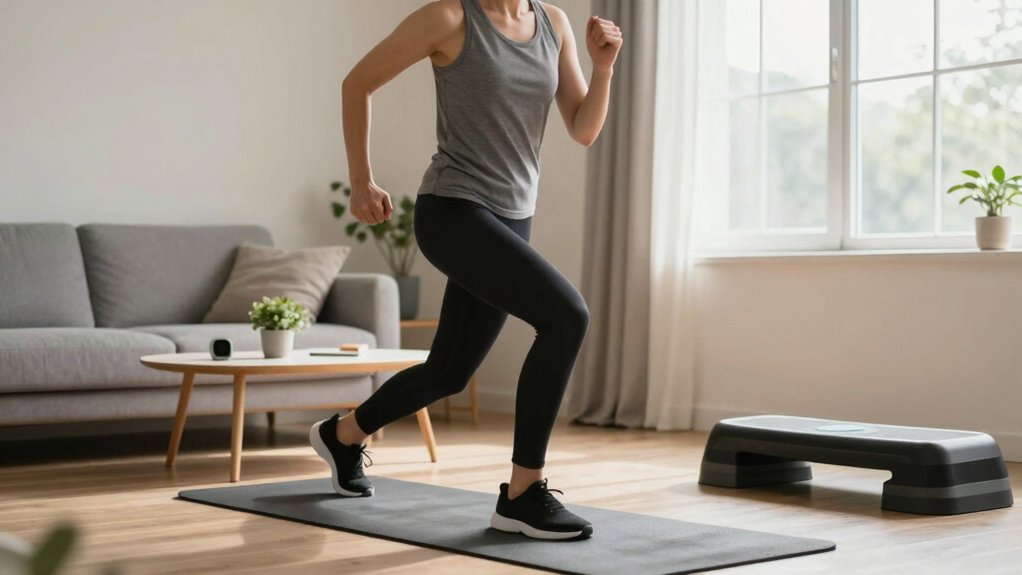
What actually changed things for me was shrinking everything down to 10-15 minutes max. I know that sounds almost insultingly short, but I started doing jump squats and high knees in the little patch of hardwood floor next to my bed - like, literally rolling out of the covers and starting before I could talk myself out of it. My cardiovascular fitness improved more in two months of those tiny morning sessions than it did in the previous year of “planning” longer ones.
The thing about morning cardio when you’ve got a packed schedule is that perfect is the enemy of done. A 12-minute sweat session before your shower beats a 45-minute workout you never start. That’s the whole philosophy behind what’s worked for me, and I’ll walk you through the exact options that fit different schedules, energy levels, and however much floor space you’ve got.

Could a 10–20 minute routine boost your energy before the day begins? You bet. You crave quick wins, so here are options you can actually finish. Pick one, do it now, feel the spark lift. This is cardio you can fit between alarm and commute. Jumping jacks? Classic and fast. 60 seconds, no excuses, then 60 seconds marching in place. Brisk walks around your hallway count too. Sweat level stays gentle but real. Track your heart rate in a comfortable zone to ensure you’re working at the right intensity without overexertion.
You’ll stay motivated with time targets, friendly reminders, and a tiny victory every day! Finish strong, log minutes, share progress, and smile at your power! You’ve got this.
Want to turbocharge your morning with fast intervals?
Intervals mean short bursts of hard effort followed by rest; you push hard for 20 to 40 seconds, then recover.
Start with a simple circuit today!
Try 4 rounds: sprint, squat jump, push-up, and high knees, 20 seconds each, with 40 seconds of easy marching.
Your heart rate will thank you.
Track intensity by a simple gauge: you should feel breathy but not dizzy, like a brisk dance interlude.
Hydrate, warm up, and cool down.
For those unable to step outside, an under desk treadmill* allows you to maintain consistent cardio sessions during work hours without interrupting your schedule.
Here’s a simple setup you can copy, adjust, and actually finish.
You’ll feel energized, focused, and ready to tackle the day right away.

A brisk jog or power walk fires you up. This combo boosts mood and metabolism by waking your brain and turning fat into fuel. You’ll feel sharper within minutes. Brisk pace means you burn more calories per minute than a stroll. Aim for 20 minutes today. Ideal speeds: jog fast enough to talk in short bursts, not sing opera. A quick warmup helps avoid injuries. Hydration matters, so sip water before, during, and after. Try this 20-minute pattern: 5 min easy jog, 8 min brisk, 7 min cool down. For best results, maintain steady breathing and cadence throughout your workout to track progress without devices. Consistency beats intensity for busy mornings. If you’re late, squeeze 8 minutes of brisk walking to reboot mood. You’ll sleep better, too, and that makes tomorrow easier. Grab your shoes and start now today, friend.
Ever wonder how to tailor workouts fast? You want real results, today. First, assess your fitness level : beginner, intermediate, or advanced, then pick options matching your door-schedule. Short on time? aim for 10 minutes. If you have 20 minutes, do intervals: 1 minute hard, 1 minute easy, repeat 8 cycles. Want easy setup? use 3 moves. Sample: circuit squat jumps, knee taps, pushups; 30 seconds each, 3 rounds, 60 seconds rest. Mix mornings and days. Schedule matters, so slot workouts where you actually wake up and won’t bail-like after coffee, not after doomscrolling. Remember that quality supersedes quantity, so focus on controlled movements than rushing through reps to hit higher numbers. Track? not needed yet. If energy drops, swap to a brisk walk or gentle cycle, keeping pace sustainable and fun. Start small, stay consistent, and watch your mornings brighten!
Honestly, tracking progress and staying consistent are your best allies for momentum. You’ll build results faster with data. Log quick wins daily, like minutes jogged and heart rate zones, plus pace notes to keep you on track. Consistency compounds like compound interest! Create 3 weekly streaks-days, minutes, and logs-and celebrate small wins with simple, tangible rewards each week. Review trends every 2 weeks, honestly. If you miss a day, don’t quit-adjust; swap a 10‑minute jog for 5, then ramp back up. Laugh at slips like plot twists! Use an app reminder, buddy check, or calendar ping to stay honest and on pace. For best results, schedule desk cardio most days of the week to maintain steady energy gains without sacrificing rest time. You’ve got this, one morning at a time. Remember, your body cheers you on today, so finish with a smile and confidence.
Essential equipment includes a jump rope, a mat, and light dumbbells or resistance bands. If you lack gear, your bodyweight suffices. You’ll pace intervals on the floor, flow through circuits, and wake up with energy.
You’re doing a 15-minute HIIT routine: warm up 2 minutes, then 6 rounds of 30 seconds effort and 90 seconds easy, finish with 2 minutes cooldown. Mix burpees, jumping jacks, sprinting in place for cardio.
Cardio alone isn’t enough; you should combine strength workouts to build muscle, boost metabolism, and protect joints. Mix days: quick cardio, plus 2–3 strength sessions weekly, total-body moves, progressive overload, and rest for best results.
Eat a light snack 30–60 minutes before your cardio, preferably carbs with a protein. Try a banana with peanut butter, yogurt with fruit, or toast with jam, plus water to stay hydrated and energized throughout.
You avoid injuries with fast-paced routines by warming up properly, progressing gradually, and listening to your body. Maintain form, stay hydrated, wear supportive footwear, and rest as needed; stop if pain or dizziness feels off.
You’ve got this, morning champions!
Use 10–20 minute windows, mix sprints and brisk walks, and watch your mood surge like your favorite superhero team-up in your hallway or stairwell!
Track progress weekly, stay consistent, and, yes, reward yourself with a stretch, coffee, and a tiny victory dance after conquering the day, you earned it before lunch today.
Let’s get after it together.