A desk treadmill felt ridiculous to me at first, honestly. I pictured myself typing while stumbling, spilling coffee, looking absolutely unhinged on Zoom calls. But after trying every other “work from home movement hack” - the hourly alarm reminders, the standing desk, the walks I kept skipping because it was cold - I figured I had nothing to lose. Worst case, I’d sell it.
Turns out the trick isn’t just owning one. It’s setting it up in a way that actually fits how you work, not some idealized version of your schedule where you have 30 free minutes every two hours. I’m going to walk you through exactly what worked for me, including the speed settings, the calendar blocks, and the stuff I got wrong the first few months.
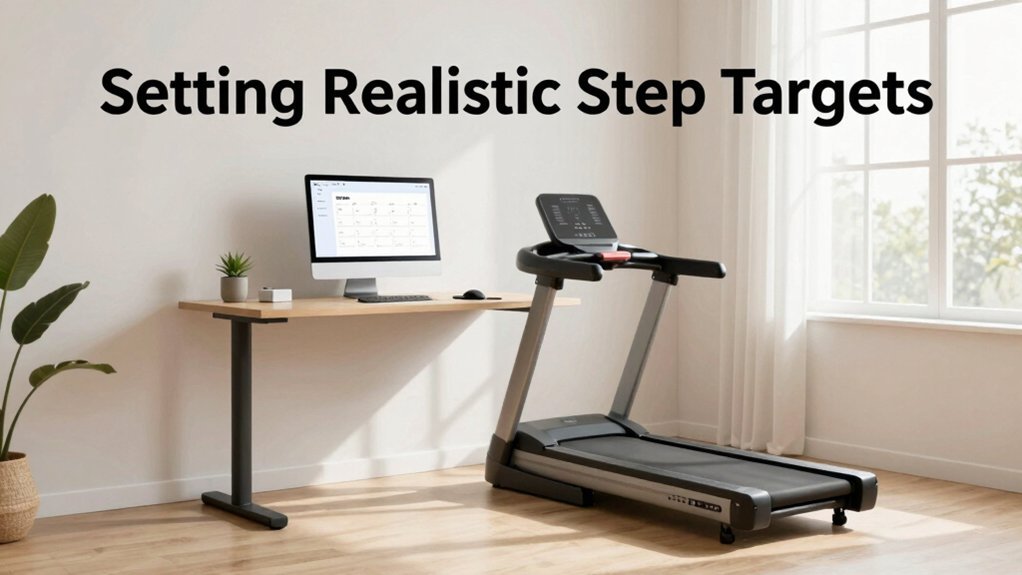
Start small, then grow - like leveling up in a video game you actually finish. Set a daily baseline you can genuinely hit without rearranging your entire life around it.
Aim for 5,000 steps on sedentary days, 7,500 on moderately active days, and 10,000 when you’re feeling ambitious. These aren’t arbitrary numbers - they represent real tiers of cardiovascular benefit and are achievable without turning your workday inside out.
Break goals into manageable chunks: 20-minute stints, 400-step bursts, or walking meetings during calls. If you miss a session, two smaller ones still get you there. The math is forgiving - your mindset just needs to match.
Celebrate 3-day streaks with a small reward. It sounds simple because it is. Consistency compounds faster than intensity ever will, especially when you’re also trying to hit a work deadline at the same time. As your step count rises, add five minutes per session and work toward 45-minute totals. The momentum builds on itself.
How fast should you actually walk while trying to work? This is the question that trips most people up early on, and getting it wrong in either direction kills the habit.
Start at 2.5 to 3.5 mph and adjust by a tenth of a mile each week based on how your breathing and focus feel. Shoulders loose, pace friendly. Use a simple three-level effort scale to self-regulate without overthinking it:
A quick breathing check: if you’re struggling to breathe through your nose, slow down. If you could comfortably sing a chorus of something, you’re ready to nudge the speed up. Set a timer for 10 minutes when starting a new session - push a little, ease back, and let progress track by minutes than miles.
For desk work specifically, aim for around 90 steps per minute on a level surface. That’s a pace where your hands stay relatively steady, your typing stays coherent, and your heart rate gets a genuine benefit without your brain going offline.
The calendar block method is what finally made this stick for me. I stopped treating treadmill time as something I’d “fit in” and started treating it like a meeting I couldn’t reschedule.
Spread four to six five-minute walking blocks across your workday. Attach them to things that already happen - the start of a focus session, a scheduled break, the end of a Zoom call. Don’t rely on motivation or reminders alone. Stack them onto existing habits and they become automatic within two weeks.
Reserve one block mid-morning and one mid-afternoon for a slightly brisker pace - bump to Level 2 or Level 3 for five minutes. These short intensity spikes do more for your energy and step count than you’d expect from five minutes of effort.
Any call where you don’t need to share your screen or reference complex documents is a walking meeting candidate. Mute yourself when you’re not speaking if background noise is a concern - most under-desk treadmills are quiet enough that it’s rarely an issue at 2–3 mph. A good belt-drive motor makes a real difference here; it’s worth checking noise ratings before you buy.
Here’s something I didn’t expect to be as effective as it is: evening treadmill time paired with shows you were going to watch anyway. This isn’t a compromise - it’s genuinely one of the easiest ways to add 2,000 to 4,000 steps to your day without it feeling like exercise.
Start at 3.5 mph with something you’re already watching. Move purposefully through scenes - coach yourself to breathe through your nose, check your posture, stay present. Hit 10 minutes first to gauge comfort. If full sentences feel hard, dial it back. If you’re relaxed enough to quote the dialogue, push the speed up slightly.
The cue structure matters here. Let the TV itself become your movement trigger: show starts, you step on. Credits roll, you step off. No willpower required after the first week - it’s just what you do during that show now.
Keep a simple daily log noting steps, mood, and how the session felt. It takes 30 seconds and gives you something to look back at when motivation dips. Seeing 14 consecutive days of evening sessions is a surprisingly powerful motivator. Progress tracked by minutes and days - not miles and intensity - is what actually keeps people going long-term.
A bad setup will end the habit faster than anything else. How to Hit Your Step Goals at are the things worth getting right before you start logging sessions:
Your desk height should allow slightly bent elbows at around 90 degrees while walking. Most people need to raise their existing desk or use a riser - walking changes your natural standing height in subtle ways that add up over an hour. A cushioned mat under the treadmill reduces noise, protects flooring, and takes some impact off your joints during longer sessions.
Keep the surface level - minimal or zero incline for desk work. Incline increases calorie burn but also increases the chance your posture degrades and your typing suffers. Save the incline for dedicated exercise sessions, not work blocks.
Two minutes of slow walking (1.5–2 mph) before each session and two minutes after is the minimum effective dose for warm-up and cool-down. It’s not dramatic, but skipping it consistently leads to tight calves and hip flexors - which leads to sessions feeling worse - which leads to skipping sessions.
Pair your cool-down with these desk-safe stretches that won’t require you to get on the floor mid-workday:
The first two weeks are the hardest and the most important. After that, the habit either clicks or it doesn’t - and what determines that is almost entirely setup and structure, not motivation.
A few things that made the difference for me beyond the basics:
847 steps feels like a different lifetime now. Not because I became a different person, but because I stopped waiting for free time that was never going to appear and started building movement into the time I already had.